

Personal Longevity & Health Report
CicilieHognrø.
· May 2026
What the group told us
You completed this survey alongside 91 other professionals from the BHBD network. Before your personal results, here is what the picture looks like across the group.
have a wind-down routine that works.
Seven in every hundred people in your profession have built a consistent transition between the last client and sleep. The evening is where some of the biggest gains sit, and right now it is the least structured part of your day.
Your personal results
Your picture, in detail.

Physical load.
You reported burning in your feet at the end of the day. You also tend to skip meals or forget to eat entirely, which means your physical baseline is running on less fuel than it needs across the working hours.
- →Feet burning is the most common physical symptom in this cohort, tracking closely with prolonged standing and the circulatory demands of a full day on the floor.
- →Skipping meals creates energy dips that compound physical fatigue, particularly in the second half of the working day.
- →Your hands and neck are holding up well, which gives you a strong physical foundation to build from.

Sleep.
You lie awake before sleep with your mind still running. Your sharpest thinking happens first thing in the morning, before anyone arrives, which tells you something about how your system is wired and what it needs at the other end of the day.
- →Pre-sleep mental activation is one of the most common patterns in this cohort. The mind has not had a clear signal to step out of work mode.
- →Your early morning clarity and your difficulty settling at night are two expressions of the same thing: a quick, active mind that benefits from deliberate structure around the edges.
- →Sleep quality is affected when you arrive at bedtime still activated, regardless of how tired the body is.
Recovery.
Exercise is part of your life but inconsistent. Without a regular physical practice, recovery stays reactive and the body carries more load than it needs to.
- →Inconsistent exercise is the most common recovery pattern in this cohort.
- →Skipping meals through the working day removes one of the primary inputs the body uses for repair and regulation.
- →A simple, repeatable daily structure changes the arc of how you feel by end of week, even before anything else changes.

Mental load and creative capacity.
The mental load follows you onto the floor. In the evenings the mind keeps running. You want more physical energy across the full day, and the physical and mental are more tightly connected here than they appear.
- →Carrying the mental load onto the floor means running two parallel processes at once: client work and background thinking.
- →The mind continuing to run in the evenings points to a system with no clear closing ritual.
- →Your morning window is one of your clearest strengths. It is worth protecting and building around.

The throughline
Stress-cortisol regulation.
The thread through your feet burning, your pre-sleep mind activity, and evenings that do not settle is a nervous system that stays in effort mode past the working day. You have morning energy and natural resilience. The constraint is the transition out of work mode. Building a clear boundary between working state and rest state, through how you eat, how you move, and how you close the day, is the highest-leverage shift available to you right now.
Ten protocols · in-salon
Recovery you can do between clients.
Ten small protocols designed for the salon day. Each one is short, repeatable, and built to interrupt the load before it accumulates. Choose two. Run them daily for a week. Notice what shifts.
- 01
Wrist circles between clients
60 secTen slow circles each direction. Resets the joint after every blow-dry, every section.
- 02
Thumb web release
90 secPress into the muscle between thumb and index finger. The single most overworked tissue in your hand.
- 03
Forearm roll
2 minRoll a tennis ball or shears handle along the inside of your forearm. Down-regulates grip fatigue fast.
- 04
Doorway pec stretch
60 secForearm on the frame, step through. Counteracts the closed posture of cutting and colouring.
- 05
Box breathing reset
2 minInhale 4, hold 4, exhale 4, hold 4. Drops cortisol before the next client walks in.
- 06
Calf and arch release
90 secRoll one foot at a time over a ball. Your feet carry the day — give them ninety seconds back.
- 07
Shoulder blade squeeze
30 secTen slow reps. Pulls the shoulders out of the chronic forward-rounded position.
- 08
Hydration anchor
10 secOne full glass of water with each new client booking. Removes the decision entirely.
- 09
Two-minute eye close
2 minBetween clients, close your eyes. Even short visual rest measurably lowers nervous-system load.
- 10
End-of-day hand soak
5 minWarm water, Epsom salt, open and close the fists. The cleanest close to a long day on the floor.

Reset Society · powered by Eirloom
Recovery for the people behind the chair.
Trained Reset Specialists come directly to your salon for short, deliberate recovery sessions — built for the hands, wrists, forearms, neck, and shoulders that carry the weight of your day.
Not a marketplace. Every specialist is selected, trained, and managed by us. This is recovery engineered into the salon day — between clients, after a long shift, on a rhythm that protects a long career.
Hand Reset
300 SEK · 15 min
Palm, thumb, wrist, and forearm release. Fits between clients.
Upper Body Reset
495 SEK · 25 min
Hands, forearms, neck, shoulders, and upper back. A complete reset.
Next steps
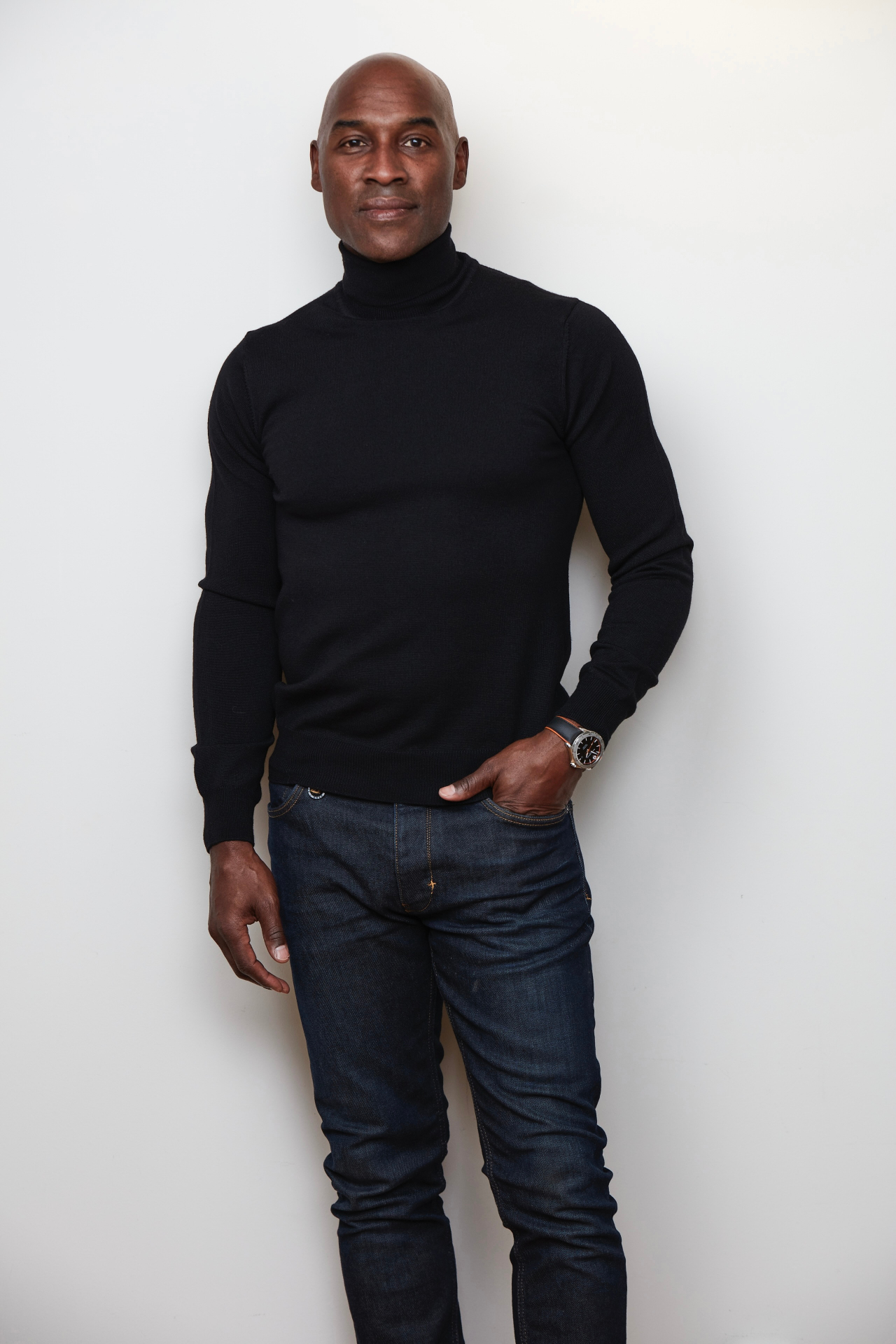
A free 1:1 with Rob Lake.
If you want to understand your results in more detail, talk through what a protocol specific to your picture looks like, or simply find out more about Eirloom, Rob Lake offers a free 1:1 conversation.
Book your free 1:1BHBD VIP offer · 25 spots · closes in 10 days
The first 25 people from this group to start an Eirloom program receive 15% off their first year. Programs start at 1,190 SEK/month. Claim your spot.
Founder, Eirloom
Rob Lake