

Personal Longevity & Health Report
MalinBrunslid.
· May 2026
What the group told us
You completed this survey alongside 91 other professionals from the BHBD network. Before your personal results, here is what the picture looks like across the group.
have disrupted sleep.
Eight in ten people in your profession have disrupted sleep. You are chronically under-slept. That is the most acute cost in your profile right now, and it is affecting everything downstream of it.
Your personal results
Your picture, in detail.

Physical load.
You reported head heaviness, a low-grade ache across your whole body, and have stopped noticing symptoms. Three signals including habituation suggest the physical load has been present long enough to become the baseline. Your hands are stiff in the mornings but loosen with use.
- →Head heaviness and a low-grade ache across the whole body are expressions of systemic load. The nervous system has stayed in an effort state and the body is reflecting it.
- →Habituation to symptoms means the body's feedback system has quietened. The load has not reduced; the threshold for noticing it has risen.
- →Hands stiff in the mornings that ease with movement point to cumulative joint load that benefits from consistent targeted protection.

Sleep.
You are chronically under-slept and you know it. Your creative thinking happens late in the evenings. You cannot switch off. You are caught between a late creative peak and chronic sleep deficit, and the two are reinforcing each other.
- →Chronic sleep deficit is cumulative. Each under-slept night adds to the last, and the neurological cost accumulates faster than the physical. The body does not fully restore on weekends.
- →Late-night creativity and chronic under-sleeping are mutually reinforcing. The late creative peak delays sleep; the chronic deficit makes the system more cortisol-reactive, which pushes the creative peak later.
- →Absorbing difficult clients physically and being unable to switch off in the evenings together mean the body is carrying the cost of the working day through the entire night.

Recovery.
Your recovery is reactive: you wait until something hurts. You skip meals or forget to eat entirely. Financial pressure affects your focus and mood. There is no current recovery structure, and the sleep that is supposed to compensate is itself compromised.
- →Reactive recovery means the body is always behind the load. Three symptoms, including habituation, are the evidence of that gap.
- →Skipping meals through the working day removes the primary fuel source from a system that is already chronically under-recovered.
- →Financial pressure on the floor adds a persistent background cognitive load that runs beneath every appointment and follows you into the evening.

Mental load and creative capacity.
Financial pressure affects your focus and mood on the floor. You feel physically tense after difficult clients. You cannot switch off. You want more physical energy across the full day. The physical energy you want is being consumed by the sleep debt, the financial load, and the evening activation.
- →Financial pressure on the floor and physical tension from difficult clients are two sources of load that compound each other through the working day.
- →Being unable to switch off, combined with late-night creativity, means the working state is extending through what should be the recovery window.
- →Your late creative window is a real capacity. It is currently running on a significantly depleted base. As sleep recovers, the quality of that window improves rather than disappearing.

The throughline
Stress-cortisol regulation.
Everything in your profile is running on a chronically depleted sleep base. The habituation to symptoms, the physical tension, the financial preoccupation on the floor, and the inability to switch off are all being amplified by sleep debt. Chronic under-sleeping is not a character issue; it is a physiological constraint that limits every other system. Raising the sleep floor, even incrementally, is the single highest-leverage change available. It starts with the evening: a deliberate closing point for the creative work, a transition away from financial processing, and a structured beginning to the sleep window. That is the entry point. Everything else improves downstream.
Ten protocols · in-salon
Recovery you can do between clients.
Ten small protocols designed for the salon day. Each one is short, repeatable, and built to interrupt the load before it accumulates. Choose two. Run them daily for a week. Notice what shifts.
- 01
Wrist circles between clients
60 secTen slow circles each direction. Resets the joint after every blow-dry, every section.
- 02
Thumb web release
90 secPress into the muscle between thumb and index finger. The single most overworked tissue in your hand.
- 03
Forearm roll
2 minRoll a tennis ball or shears handle along the inside of your forearm. Down-regulates grip fatigue fast.
- 04
Doorway pec stretch
60 secForearm on the frame, step through. Counteracts the closed posture of cutting and colouring.
- 05
Box breathing reset
2 minInhale 4, hold 4, exhale 4, hold 4. Drops cortisol before the next client walks in.
- 06
Calf and arch release
90 secRoll one foot at a time over a ball. Your feet carry the day — give them ninety seconds back.
- 07
Shoulder blade squeeze
30 secTen slow reps. Pulls the shoulders out of the chronic forward-rounded position.
- 08
Hydration anchor
10 secOne full glass of water with each new client booking. Removes the decision entirely.
- 09
Two-minute eye close
2 minBetween clients, close your eyes. Even short visual rest measurably lowers nervous-system load.
- 10
End-of-day hand soak
5 minWarm water, Epsom salt, open and close the fists. The cleanest close to a long day on the floor.

Reset Society · powered by Eirloom
Recovery for the people behind the chair.
Trained Reset Specialists come directly to your salon for short, deliberate recovery sessions — built for the hands, wrists, forearms, neck, and shoulders that carry the weight of your day.
Not a marketplace. Every specialist is selected, trained, and managed by us. This is recovery engineered into the salon day — between clients, after a long shift, on a rhythm that protects a long career.
Hand Reset
300 SEK · 15 min
Palm, thumb, wrist, and forearm release. Fits between clients.
Upper Body Reset
495 SEK · 25 min
Hands, forearms, neck, shoulders, and upper back. A complete reset.
Next steps
A free 1:1 with Rob Lake.
If you want to understand your results in more detail, talk through what a protocol specific to your picture looks like, or simply find out more about Eirloom, Rob Lake offers a free 1:1 conversation.
Book your free 1:1BHBD VIP offer · 25 spots · closes in 10 days
The first 25 people from this group to start an Eirloom program receive 15% off their first year. Programs start at 1,190 SEK/month. Claim your spot.
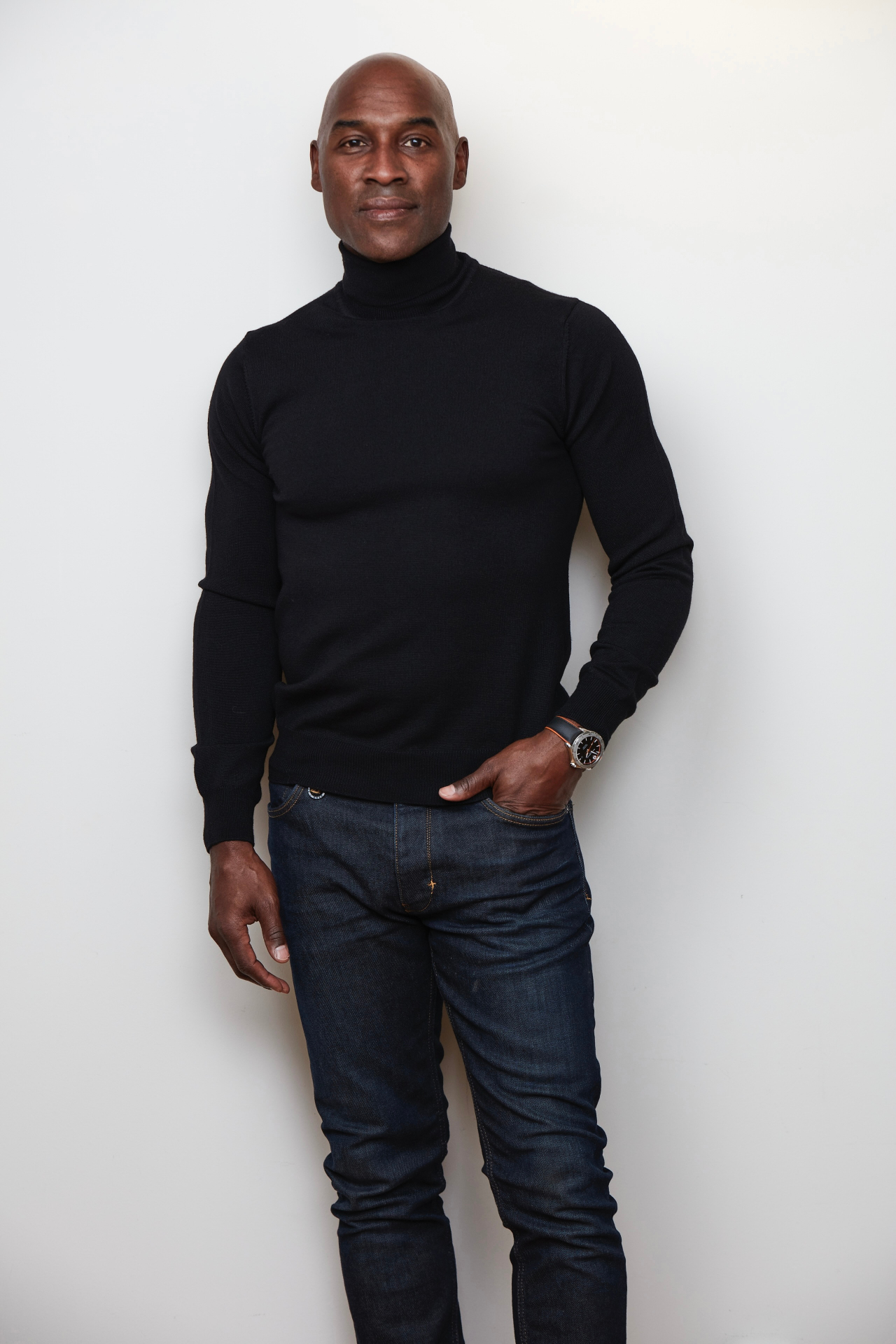
Founder, Eirloom
Rob Lake