
Personal Longevity & Health Report
RenateForseth.
Påhåret · May 2026
What the group told us
You completed this survey alongside 91 other professionals from the BHBD network. Before your personal results, here is what the picture looks like across the group.
want to live and perform to 100 or beyond.
More than seven in ten people in your profession share your orientation toward long-term performance. The question is not whether that is possible. The question is which inputs make it most likely.
Your personal results
Your picture, in detail.

Physical load.
You reported your jaw being tight at the end of a full week. Your hands and neck are fine. Jaw tightness is a specific and reliable marker: it is where controlled, managed stress tends to settle in the body.
- →Jaw tightness is a postural and neurological response to sustained low-grade tension. It typically appears when someone is managing stress effectively on the surface while the body absorbs it elsewhere.
- →Your overall physical picture is strong. The jaw is the one place where the load is expressing itself, and it is worth paying attention to.
- →You eat standing up between clients, which is the most common nutritional pattern in this cohort and a small but consistent source of unstructured physical stress.

Sleep.
You fall asleep fast and wake rested. That is a meaningful foundation that relatively few people in your cohort share. Your sleep is working.
- →Fast sleep onset and rested waking are the two markers of good sleep architecture. You have both.
- →The main variable to protect is the quality of the hour before sleep. A structured transition preserves what you already have.
- →You already spend evenings with people you love, which is one of the strongest recovery inputs available. That is not incidental.
Recovery.
You have a structured routine that you protect, which is one of the most distinctive patterns in this cohort. You recover fast after difficult clients. The recovery architecture is present and working.
- →A structured routine that you actively protect is the single most predictive factor for sustained performance in this profession.
- →Fast recovery from difficult clients tells you that your nervous system is regulating well. That is a trained capacity, not a default.
- →The one gap is eating standing up. Even a small adjustment here, a seated pause between clients, changes the body's relationship to the working day.

Mental load and creative capacity.
You are always thinking two conversations ahead. You want sharper focus and more creative consistency. Your morning clarity is a real strength. The constraint is not capacity, it is the cognitive load of perpetual forward planning.
- →Always thinking two conversations ahead is high-value foresight, but it runs as a continuous background process that competes with present-moment focus.
- →Your jaw tightness and your perpetual planning are connected. The body is holding what the mind is managing.
- →Creative consistency comes from managing cognitive load across the day, not from pushing harder in the creative window itself.

The throughline
Stress-cortisol regulation.
Your physical health, sleep, and recovery are strong. The lever available to you is cognitive load management. You are always thinking ahead, your jaw is holding tension, and you want sharper focus and creative consistency. These are all expressions of a mind that is well-run but always occupied. The shift is learning to deliberately empty the buffer: giving the planning mind a dedicated slot and protecting everything outside it as focused presence. That is what produces the creative consistency you are looking for.
Ten protocols · in-salon
Recovery you can do between clients.
Ten small protocols designed for the salon day. Each one is short, repeatable, and built to interrupt the load before it accumulates. Choose two. Run them daily for a week. Notice what shifts.
- 01
Wrist circles between clients
60 secTen slow circles each direction. Resets the joint after every blow-dry, every section.
- 02
Thumb web release
90 secPress into the muscle between thumb and index finger. The single most overworked tissue in your hand.
- 03
Forearm roll
2 minRoll a tennis ball or shears handle along the inside of your forearm. Down-regulates grip fatigue fast.
- 04
Doorway pec stretch
60 secForearm on the frame, step through. Counteracts the closed posture of cutting and colouring.
- 05
Box breathing reset
2 minInhale 4, hold 4, exhale 4, hold 4. Drops cortisol before the next client walks in.
- 06
Calf and arch release
90 secRoll one foot at a time over a ball. Your feet carry the day — give them ninety seconds back.
- 07
Shoulder blade squeeze
30 secTen slow reps. Pulls the shoulders out of the chronic forward-rounded position.
- 08
Hydration anchor
10 secOne full glass of water with each new client booking. Removes the decision entirely.
- 09
Two-minute eye close
2 minBetween clients, close your eyes. Even short visual rest measurably lowers nervous-system load.
- 10
End-of-day hand soak
5 minWarm water, Epsom salt, open and close the fists. The cleanest close to a long day on the floor.

Reset Society · powered by Eirloom
Recovery for the people behind the chair.
Trained Reset Specialists come directly to your salon for short, deliberate recovery sessions — built for the hands, wrists, forearms, neck, and shoulders that carry the weight of your day.
Not a marketplace. Every specialist is selected, trained, and managed by us. This is recovery engineered into the salon day — between clients, after a long shift, on a rhythm that protects a long career.
Hand Reset
300 SEK · 15 min
Palm, thumb, wrist, and forearm release. Fits between clients.
Upper Body Reset
495 SEK · 25 min
Hands, forearms, neck, shoulders, and upper back. A complete reset.
Next steps
A free 1:1 with Rob Lake.
If you want to understand your results in more detail, talk through what a protocol specific to your picture looks like, or simply find out more about Eirloom, Rob Lake offers a free 1:1 conversation.
Book your free 1:1BHBD VIP offer · 25 spots · closes in 10 days
The first 25 people from this group to start an Eirloom program receive 15% off their first year. Programs start at 1,190 SEK/month. Claim your spot.
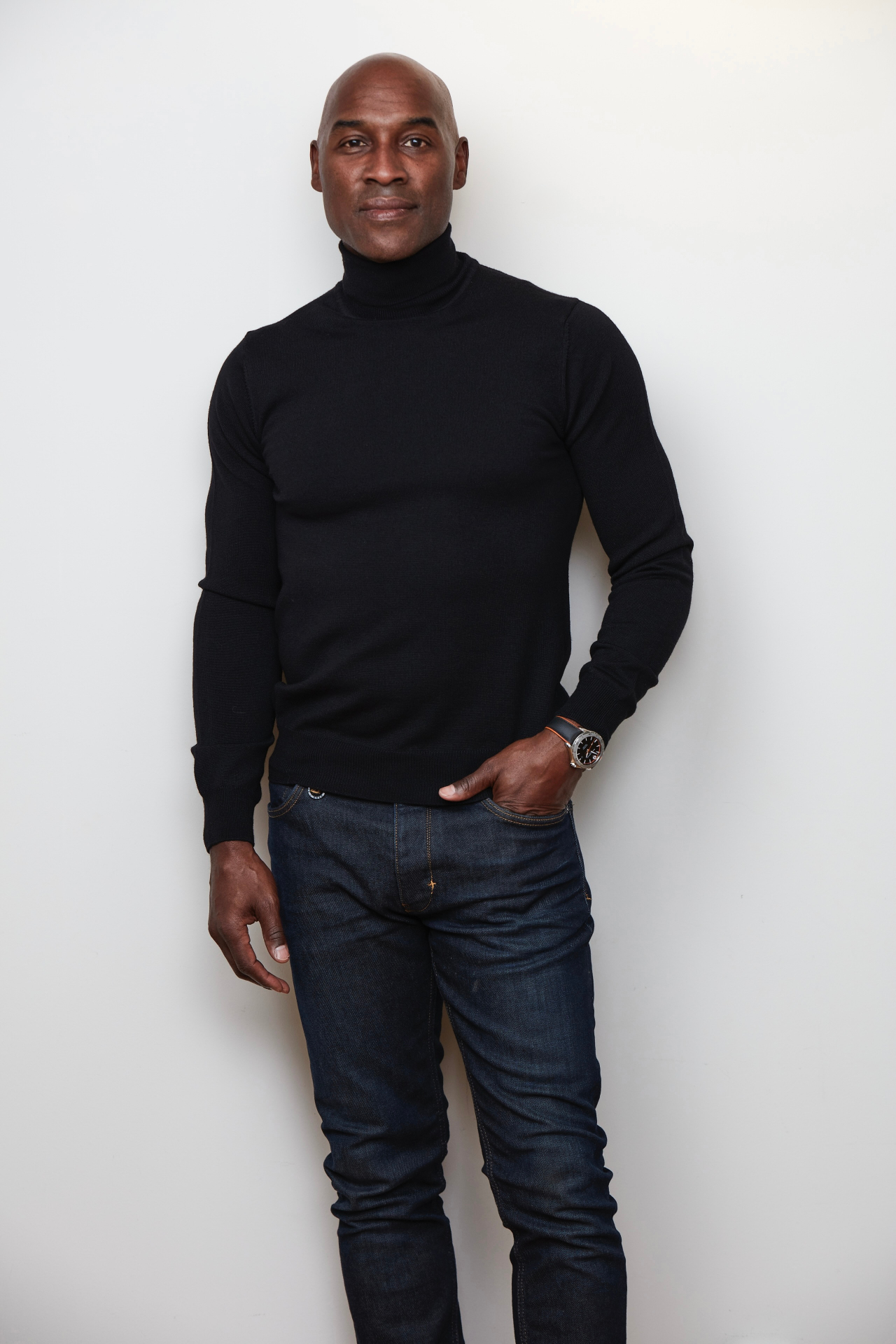
Founder, Eirloom
Rob Lake