
Personal Longevity & Health Report
SandraVan.derlinden
Allurette · May 2026
What the group told us
You completed this survey alongside 91 other professionals from the BHBD network. Before your personal results, here is what the picture looks like across the group.
feel the emotional cost of a difficult client later that day or into the evening.
Nearly three in four people in your profession carry the emotional weight of a difficult appointment beyond the session itself. For you, it moves directly into the next client. That is one of the most demanding patterns in this cohort.
Your personal results
Your picture, in detail.

Physical load.
You reported burning feet, a heavy head, and have reached a point of no longer noticing symptoms. Three overlapping signals suggest the physical load has been present long enough to be absorbed into the baseline.
- →Feet burning and head heaviness appearing together suggest both postural load from standing and cognitive load from the working day are accumulating simultaneously.
- →Having stopped noticing symptoms is a form of physical habituation. The body has adapted to the load but has not resolved it.
- →Your hands and neck are presenting as fine, which suggests the structural load is manageable. The symptoms that are showing up are systemic rather than structural.

Sleep.
You sleep long but never feel recovered. Your evenings end with you too tired to do anything meaningful. Non-restorative sleep is one of the most telling patterns in this cohort.
- →Non-restorative sleep, enough hours but waking unrefreshed, typically points to cortisol staying elevated overnight. The body does not reach the depth of repair it needs.
- →Too tired to do anything in the evenings, combined with non-restorative sleep, suggests the body is not recovering between cycles. It is managing, not restoring.
- →Your creative window is mid-morning once you are in flow. That window requires good sleep to be accessible and consistent.
Recovery.
You have no recovery practice. You eat standing up between clients. You absorb client energy and carry it into the next appointment. Recovery is not happening in any structured way during the working day.
- →No recovery practice means the body is running on sleep alone as its primary regenerative input. When that sleep is non-restorative, the deficit compounds.
- →Absorbing the emotional energy of a difficult client and carrying it to the next appointment is a cumulative load. Each absorbed session adds to the last.
- →Eating while standing between clients removes the one natural pause in the working day that would allow a brief physiological reset.

Mental load and creative capacity.
You absorb difficult clients and carry them into the next appointment. You focus on your craft without managing a business. You want lower stress and a faster emotional reset. The good news is that you are not carrying business load. The emotional absorption from clients is the main thread.
- →Carrying emotional energy from one client to the next is a specific and addressable pattern. It is not inevitable; it is a skill that can be built.
- →Focusing purely on your craft without business management removes a significant source of cognitive load that many in this cohort carry. That is an advantage worth building on.
- →An unpredictable sense of fatigue that tracks with client emotional load is a reliable sign that the boundary between their state and yours has not yet been fully established.

The throughline
Stress-cortisol regulation.
The thread through your feet burning, your non-restorative sleep, your absent recovery practice, and carrying difficult clients into the next appointment is a system with no designated recovery point during the day. The body and mind are absorbing load continuously without a clearing mechanism. Cortisol is staying elevated from client to client and into the evening. Building even one deliberate transition between clients, and one deliberate closing ritual at the end of the day, is the highest-leverage starting point. Everything else, including the sleep quality, the head heaviness, and the evening fatigue, improves downstream.
Ten protocols · in-salon
Recovery you can do between clients.
Ten small protocols designed for the salon day. Each one is short, repeatable, and built to interrupt the load before it accumulates. Choose two. Run them daily for a week. Notice what shifts.
- 01
Wrist circles between clients
60 secTen slow circles each direction. Resets the joint after every blow-dry, every section.
- 02
Thumb web release
90 secPress into the muscle between thumb and index finger. The single most overworked tissue in your hand.
- 03
Forearm roll
2 minRoll a tennis ball or shears handle along the inside of your forearm. Down-regulates grip fatigue fast.
- 04
Doorway pec stretch
60 secForearm on the frame, step through. Counteracts the closed posture of cutting and colouring.
- 05
Box breathing reset
2 minInhale 4, hold 4, exhale 4, hold 4. Drops cortisol before the next client walks in.
- 06
Calf and arch release
90 secRoll one foot at a time over a ball. Your feet carry the day — give them ninety seconds back.
- 07
Shoulder blade squeeze
30 secTen slow reps. Pulls the shoulders out of the chronic forward-rounded position.
- 08
Hydration anchor
10 secOne full glass of water with each new client booking. Removes the decision entirely.
- 09
Two-minute eye close
2 minBetween clients, close your eyes. Even short visual rest measurably lowers nervous-system load.
- 10
End-of-day hand soak
5 minWarm water, Epsom salt, open and close the fists. The cleanest close to a long day on the floor.

Reset Society · powered by Eirloom
Recovery for the people behind the chair.
Trained Reset Specialists come directly to your salon for short, deliberate recovery sessions — built for the hands, wrists, forearms, neck, and shoulders that carry the weight of your day.
Not a marketplace. Every specialist is selected, trained, and managed by us. This is recovery engineered into the salon day — between clients, after a long shift, on a rhythm that protects a long career.
Hand Reset
300 SEK · 15 min
Palm, thumb, wrist, and forearm release. Fits between clients.
Upper Body Reset
495 SEK · 25 min
Hands, forearms, neck, shoulders, and upper back. A complete reset.
Next steps
A free 1:1 with Rob Lake.
If you want to understand your results in more detail, talk through what a protocol specific to your picture looks like, or simply find out more about Eirloom, Rob Lake offers a free 1:1 conversation.
Book your free 1:1BHBD VIP offer · 25 spots · closes in 10 days
The first 25 people from this group to start an Eirloom program receive 15% off their first year. Programs start at 1,190 SEK/month. Claim your spot.
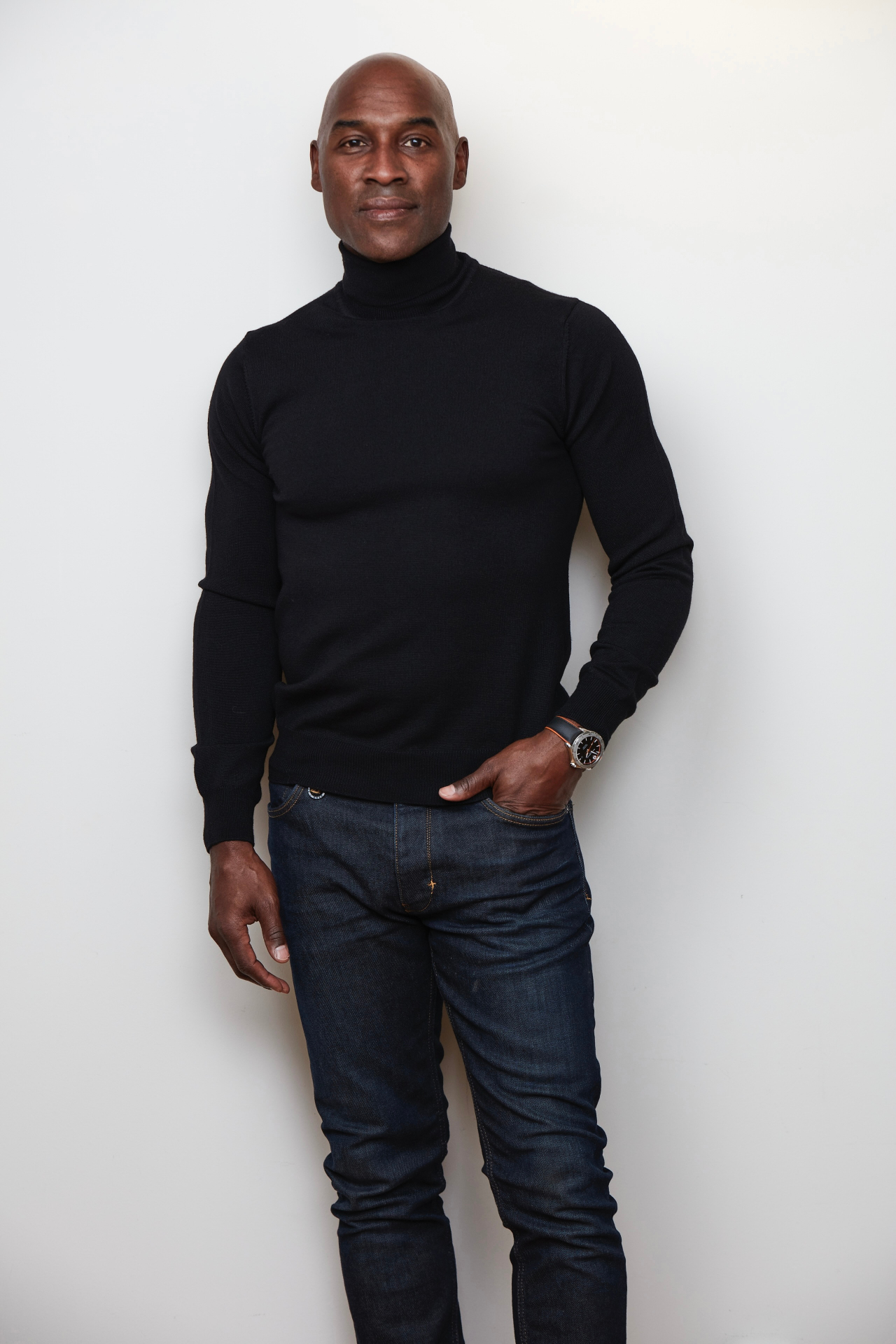
Founder, Eirloom
Rob Lake